E-Waste Disposal: A Complete Guide to Safe and Responsible Recycling
The disposal of e-waste is a critical concern that affects both the environment and public health. As technology advances, the quantity of disposed devices grows steadily. Irresponsible disposal methods allow toxic substances to seep into the environment. Understanding the importance of responsible recycling practices is essential. This article will examine practical approaches to managing electronic waste and emphasize the vital measures people can adopt to make certain their devices are handled in a safe and sustainable manner.
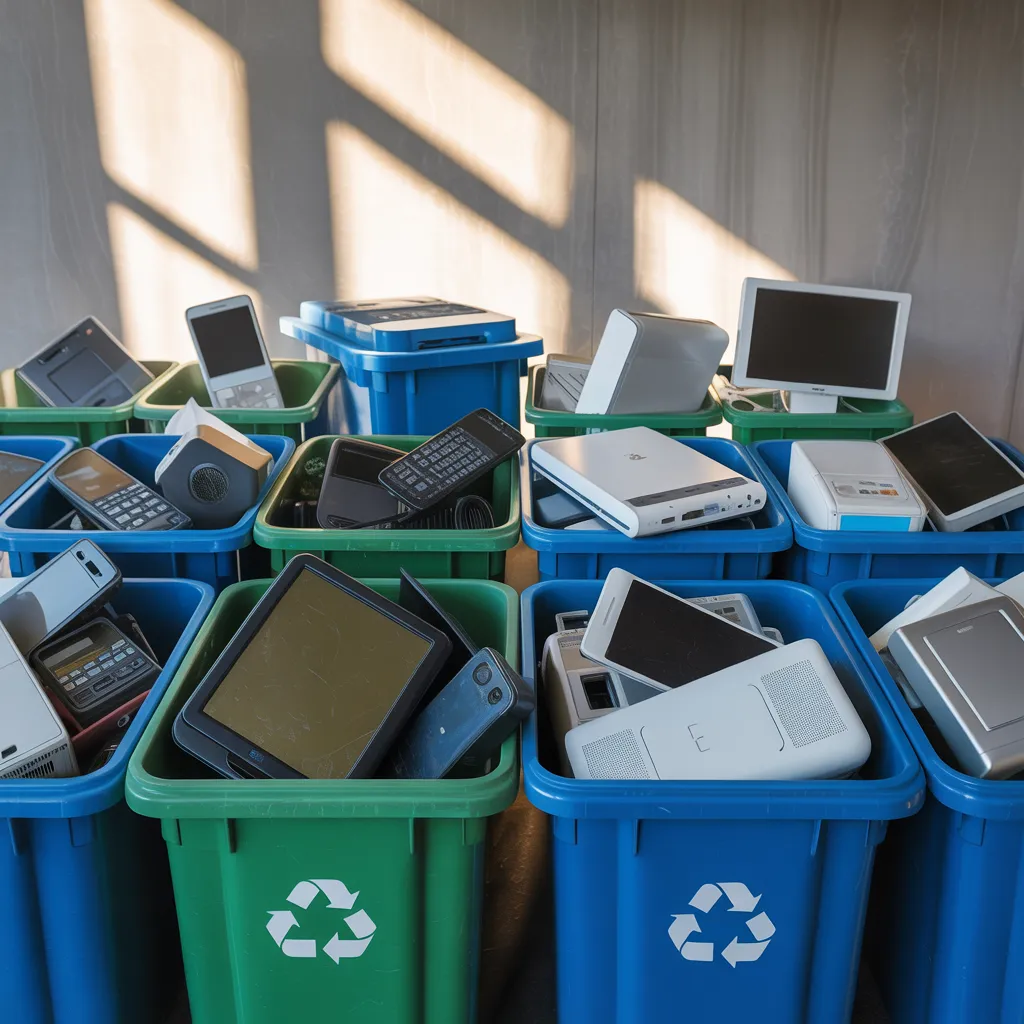
A Guide to E-Waste: What You Need to Know and Why It Counts
E-waste, also known as electronic waste, includes discarded electrical and electronic devices, including computers, smartphones, and televisions. The fast-paced evolution of technology has contributed to a significant rise in e-waste output, establishing it as a major environmental challenge. Around the world, millions of tons of e-waste are created every year, commonly being dumped in landfills or improperly managed. This discarded material holds precious resources, including gold, silver, and rare earth elements, all of which are recyclable. Yet, the careless disposal of e-waste may cause hazardous substances to be released into the natural environment. Developing awareness about e-waste is key to fostering responsible disposal habits and effective recycling programs. Individuals, corporations, and governing bodies each have a part to play in reducing the effects of e-waste, highlighting the importance of education and decisive action. Proper handling of e-waste not only preserves valuable resources but also promotes sustainable growth and alleviates pressure on landfills.
The Environmental and Health Risks of Improper E-Waste Disposal
Inappropriate disposal of e-waste creates considerable environmental and health dangers that are commonly ignored. Hazardous materials including lead, mercury, and cadmium are frequently present in electronic waste and may seep into soil and water sources, polluting ecosystems and threatening wildlife. Such dangerous substances may build up within the food chain, creating severe threats to public health.
Beyond damage to the environment, being exposed to hazardous e-waste chemicals can cause various health problems, including neurological disorders, respiratory problems, and even cancer. Individuals participating in informal recycling activities are particularly at risk, often lacking protective gear and appropriate instruction.
The cumulative consequence of improper e-waste disposal reaches further than immediate health concerns, resulting in long-term environmental issues such as pollution and biodiversity loss. With the ongoing expansion of electronic device usage, the importance of addressing these risks is becoming more vital for the health of humanity and the natural environment.
E-Waste Recycling Guidelines and Best Practices
Effective e-waste recycling begins with effective sorting procedures, which ensure that materials are divided based on their recyclability. Employing certified recycling facilities additionally strengthens the process, since these facilities comply with environmental standards and safety regulations. Collectively, these best practices promote a more sustainable strategy for electronic waste management.
Proper Sorting Techniques
A substantial portion of electronic waste is suitable for proper sorting to boost recycling efficiency and reduce ecological harm. Effective sorting methods involve categorizing e-waste into specific classifications based on material makeup, such as plastics, glass, and metals. This method not only simplifies the recycling workflow but also confirms that hazardous materials, like toxic elements such as lead and mercury, are managed responsibly. Additionally, categorizing devices by their kind—such as appliances, computers, and smartphones—supports focused processing approaches appropriate for each device type. Adopting these organizational methods can considerably increase recovery rates of valuable resources, decrease landfill waste, and lower the risks associated with improper disposal. Overall, effective sorting is critical to responsible electronic waste handling and responsible recycling practices.
Approved Recycling Centers
Categorizing e-waste is just the beginning in a comprehensive recycling strategy. The following phase involves using accredited recycling centers, which follow strict standards for eco-friendly processing. These facilities ensure that toxic materials, such as mercury and lead, are managed safely, lowering the risk of environmental contamination. Accreditation typically includes guidelines established by organizations like e-Stewards and R2 (Responsible Recycling), which support responsible recycling methods. By choosing certified facilities, users can verify that their e-waste is handled appropriately, with valuable materials recovered and dangerous materials eliminated safely. This not only contributes to eco-friendly initiatives but also strengthens the resource recovery economy, highlighting the importance of ethical e-waste recycling in the current tech-focused era.
Ways to Get Your Devices Ready for Responsible Recycling
Setting up electronic devices for conscientious recycling requires several critical steps that guarantee data security and environmental safety. Initially, users should secure important data and then execute a factory reset on their devices to erase personal information. This ensures that sensitive data cannot be obtained by unauthorized individuals. After that, it is crucial to take out any batteries or accessories, as these elements may demand special handling.
After that, people should clean the devices to clear away any personal identifiers, such as adhesive labels or stickers. Lastly, device owners should gather all necessary cables and original packaging, if on hand, to facilitate the recycling process. By implementing these measures, the likelihood of data breaches is reduced, and the devices are readied for responsible recycling, ultimately contributing to a more sustainable environment. Adhering to these precautions supports safe e-waste disposal practices.
Finding E-Waste Recycling Centers Near You
How do individuals identify trustworthy e-waste disposal centers near them? A practical method is to take advantage of digital tools specifically designed for this purpose. Platforms like Earth911 and the e-Stewards Directory allow Read the guide users to search for local recycling facilities by providing their zip code. Additionally, many municipalities provide information on official e-waste collection points through their formal web pages or environmental services divisions. Nearby electronic stores commonly take part in waste reduction programs, hosting collection drives or accepting in-store returns. Community organizations and non-profits may also hold electronic waste collection events on a regular basis, offering a convenient solution for community members. Additionally, consulting regional sustainability groups can offer useful guidance into local centers and recommended approaches. By considering these options, individuals can ensure they responsibly dispose of their electronic waste while supporting eco-friendly practices.
How Can Consumers Advocate for Sustainable E-Waste Practices?
Locating dependable e-waste recycling facilities is merely the beginning of fostering sustainable habits. Individuals can effectively champion responsible e-waste handling by learning and informing others about the ecological consequences of careless disposal. Distributing knowledge via social media channels, neighborhood forums, or community gatherings can boost awareness and promote conscientious actions among community members.
Moreover, consumers can champion businesses that prioritize environmentally responsible approaches, such as those offering recycling programs or employing sustainable materials. Reaching out to local policymakers to promote regulatory measures designed to strengthening e-waste recycling initiatives additionally reinforces advocacy efforts.
Joining or forming community groups focused on e-waste issues can strengthen calls for meaningful change. Finally, consumers can engage with e-waste collection events, actively supporting the movement for sustainable disposal. By taking these steps, individuals make a significant contribution to building a foundation of environmental responsibility and sustainability surrounding electronic waste.
Questions We Often Receive
What Types of Electronics Are Considered E-Waste?
E-scrap covers obsolete electronic products including computers, smartphones, televisions, printers, and appliances. These products typically consist of dangerous chemicals, making proper disposal and recycling critical to ensure both environmental protection and public health.
Can E-Waste Be Recycled Through Conventional Garbage Services?
Disposing of e-waste via standard garbage collection is typically not recommended. Most cities and towns have implemented guidelines that require e-waste to be brought to certified disposal sites to minimize ecological impact and ensure responsible handling of dangerous materials.
Are There Any Costs Involved With E-Waste Recycling?
Certainly, charges may be linked to e-waste recycling. Several facilities apply costs for certain items or services, while certain local governments provide free programs. Residents are encouraged to look into their options to identify any potential costs before proceeding with recycling.
How Is Sensitive Data Securely Deleted From Devices Before Recycling?
Data is safely removed from devices utilizing advanced software that overwrites stored information several times, ensuring complete erasure. In addition, physical elimination of storage parts can also be utilized to eliminate the possibility of data recovery before recycling.
What Takes Place With E-Waste After the Recycling Process?
After recycling, electronic waste is broken down and sorted into valuable components like plastics, glass, and metals. These recovered resources are then redirected for manufacturing new products, thereby minimizing environmental impact and conserving natural resources.